Long Blunt Layers: The Clean, Weighty Layered Cut That Still Moves
Published on February 3, 2026
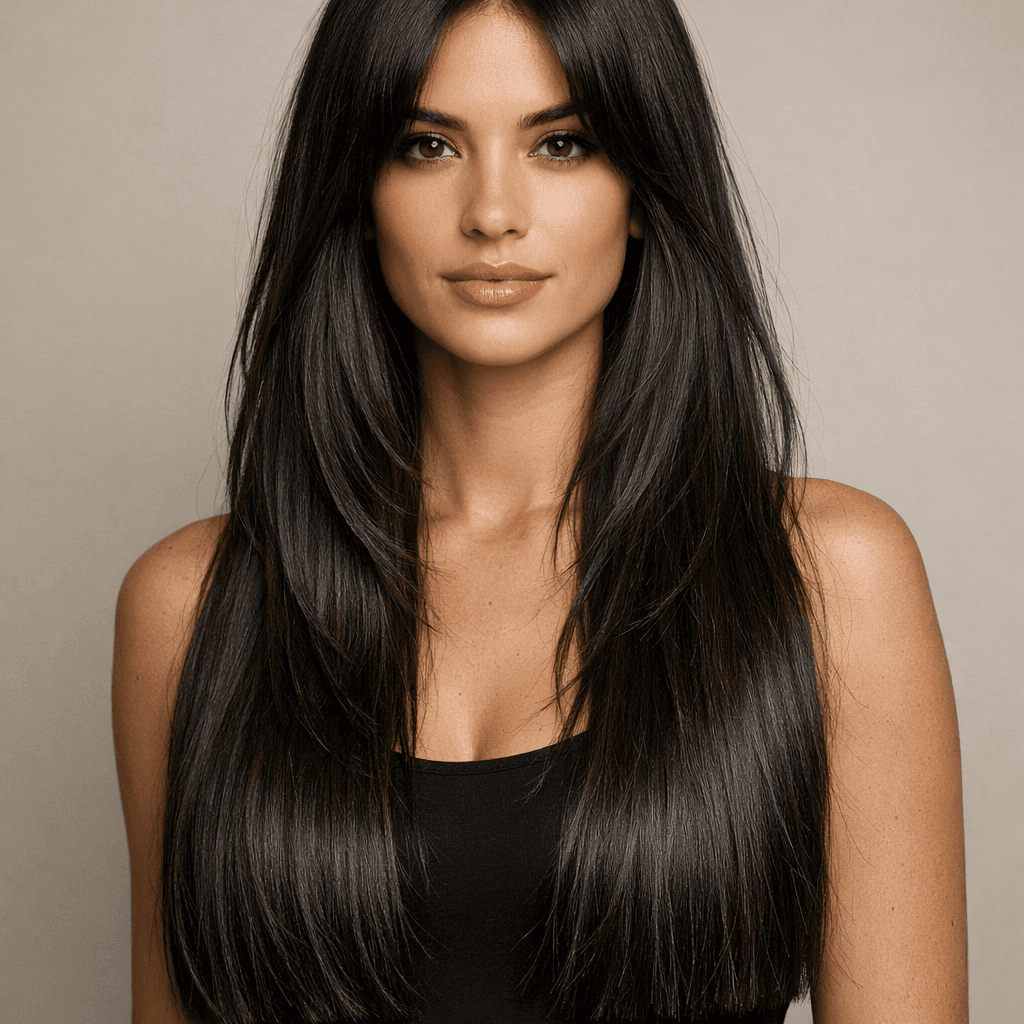
Long Blunt Layers: The Clean, Weighty Layered Cut That Still Moves
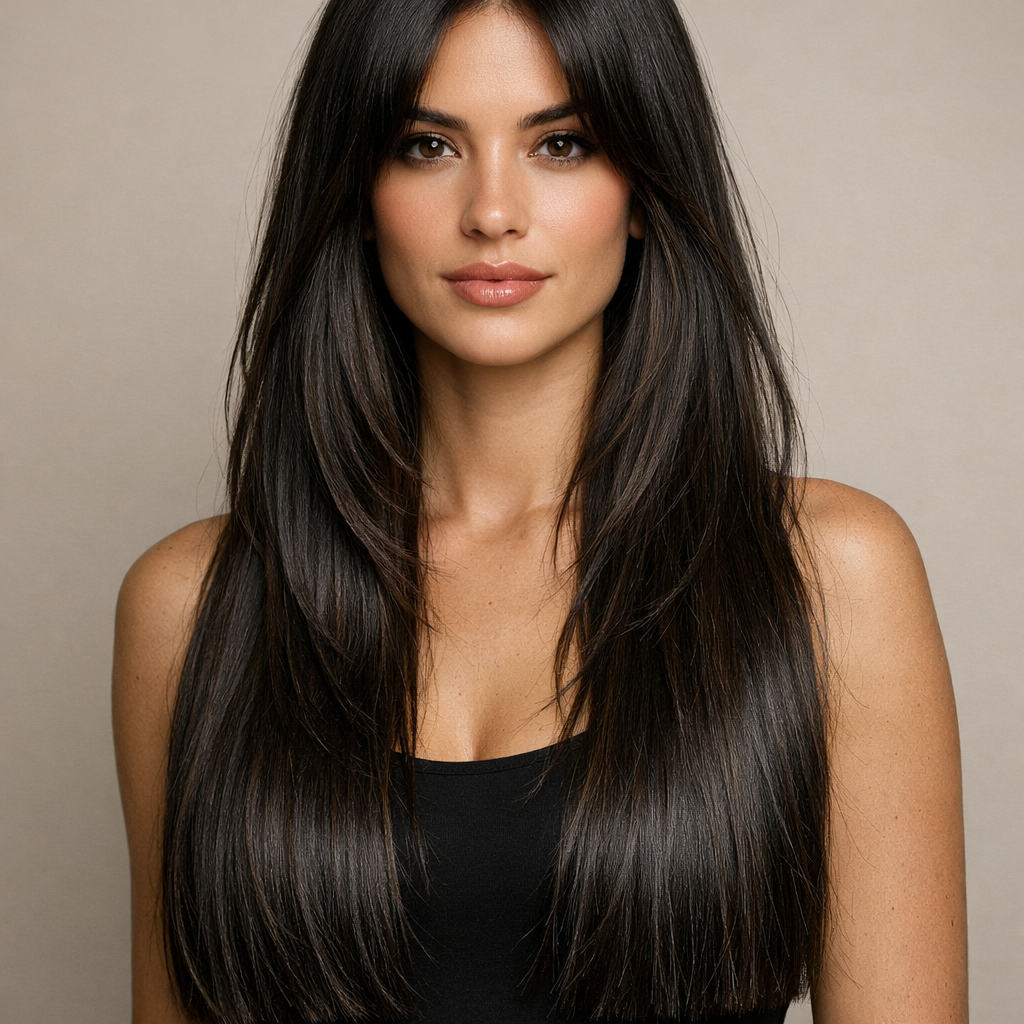
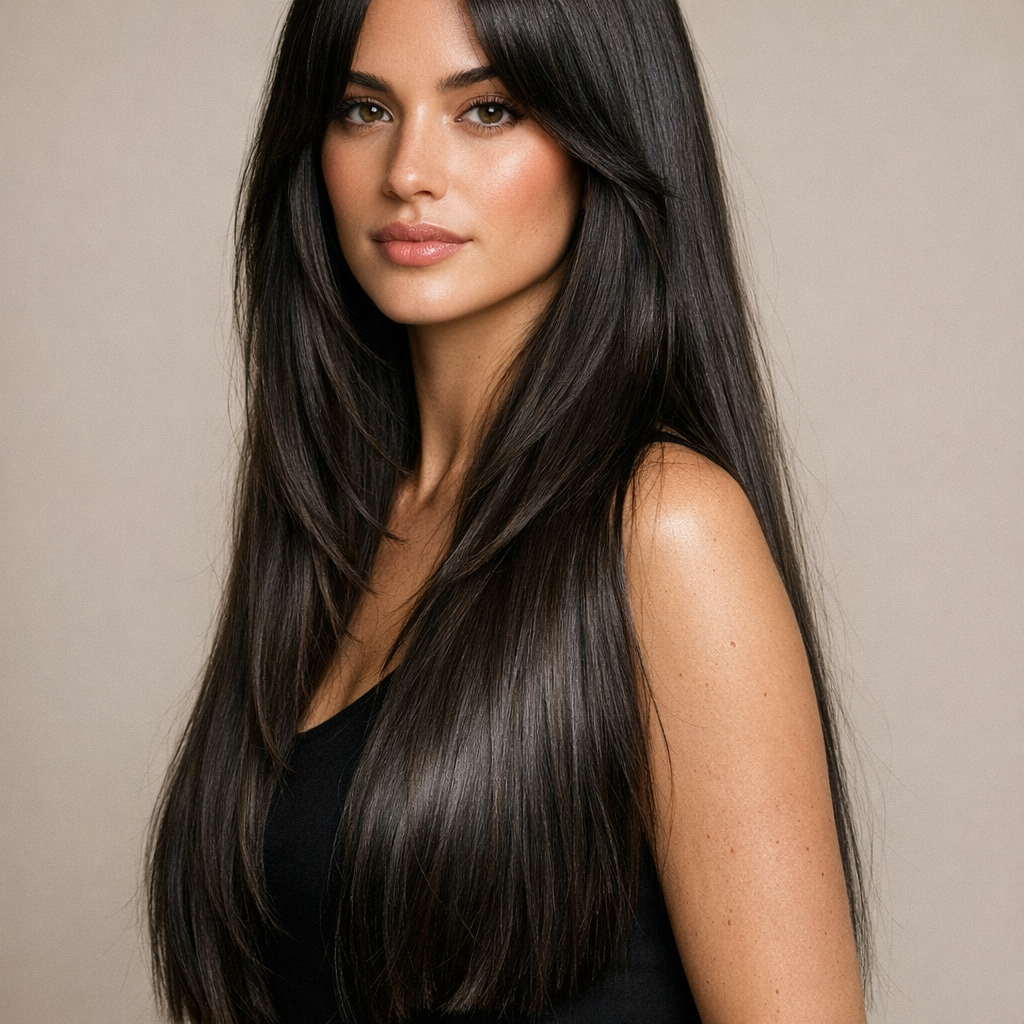
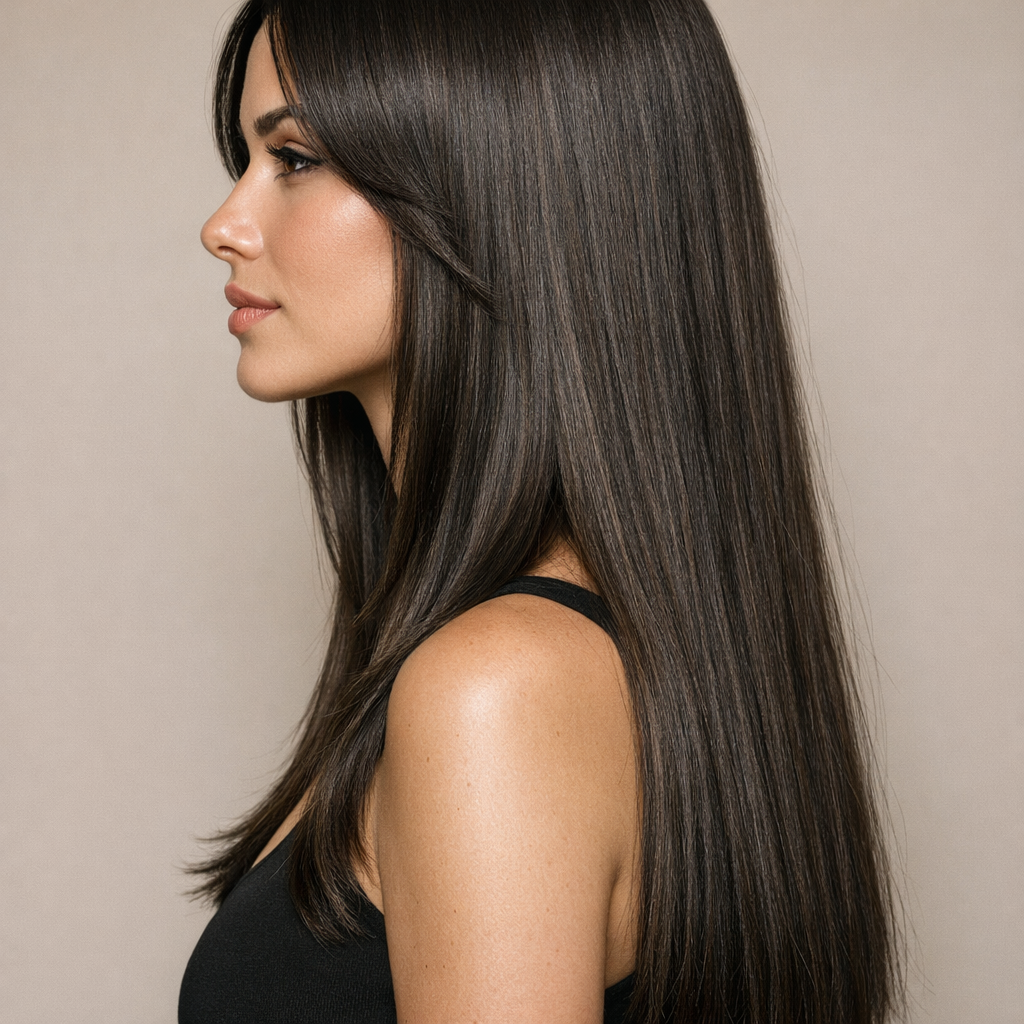
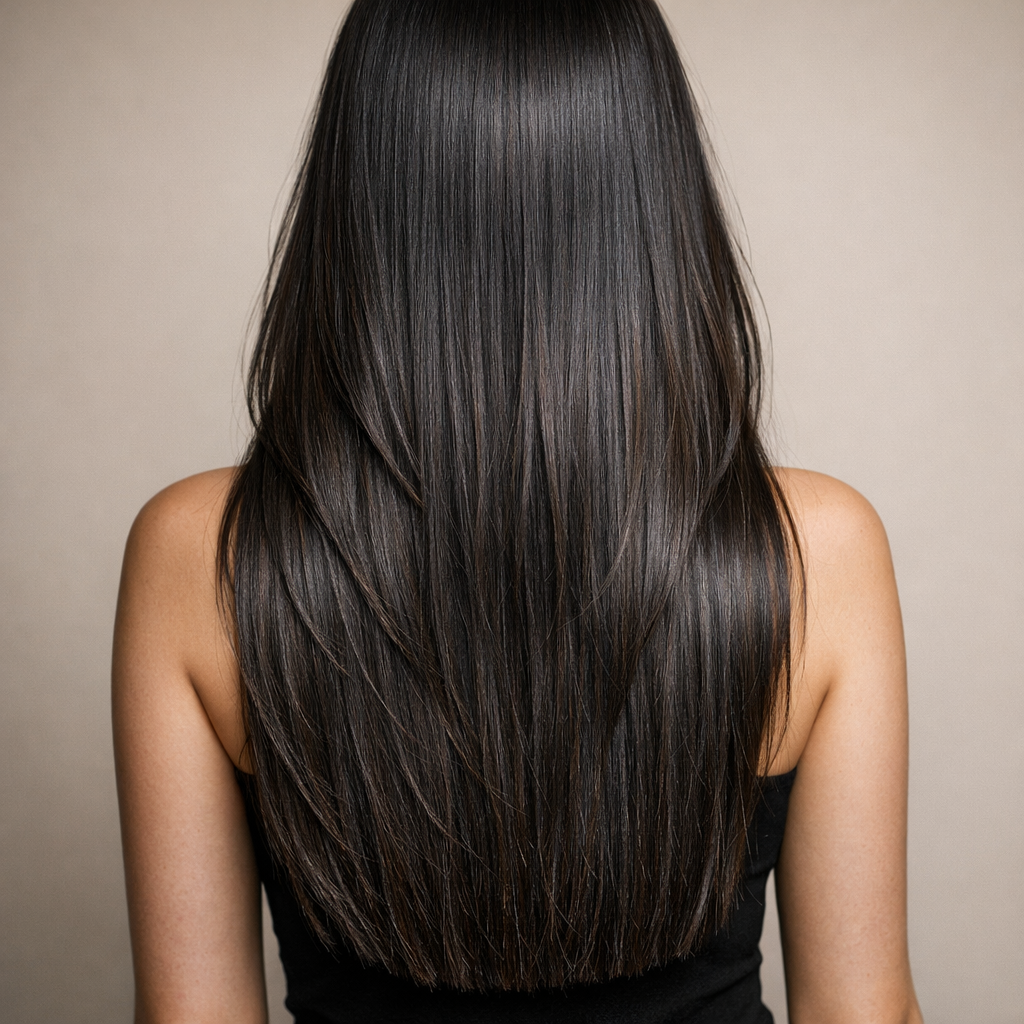
Long blunt layers are the sweet spot between a sleek, one-length cut and a fully feathered layered look. You keep that crisp, expensive-looking perimeter while adding just enough internal movement and face framing layers to prevent the hair from feeling heavy or flat. If you want long layers that read polished (not choppy) and style beautifully with a blowout or soft waves, this is the cut to screenshot.
Table of Contents
- Quick Specs
- Key Takeaways
- What Are Long Blunt Layers?
- Why People Love This Cut
- Styling Tips (Smooth, Wavy, and Voluminous)
- Maintenance: Trims, Shape, and Shine
- How to Ask Your Barber/Stylist
- Common Mistakes
- Variations to Try
- Who It Suits (and Who Should Avoid It)
- Ready to See It on You?
- FAQ
- Final Thoughts
- Ideal Hair Type and Face Shape
- Pros and Cons
- Explore More
Quick Specs
- Length: Long (chest to waist)
- Vibe: Clean, modern, “healthy hair” finish with subtle movement
- Best face shapes: Oval, round, heart; also flattering on square with softened framing
- Hair types: Straight to wavy (1B–2C); works on fine-to-medium density, and medium-to-thick with smart weight removal
Key Takeaways
- Long blunt layers keep a strong baseline so ends look thicker and healthier.
- Internal layering adds movement without sacrificing fullness.
- Face framing layers customize the cut to your cheekbones, jawline, and styling habits.
- Volume styling matters: the right blow-dry and lightweight products make the layers pop.
What Are Long Blunt Layers?
Long blunt layers combine two ideas that don’t always show up together:
- A blunt perimeter (the bottom line looks crisp and dense, not wispy).
- Long, subtle layers through the interior and around the face to create flow.
Think of it as “long lived-in layers” with a cleaner finish. It’s less piecey than a shag haircut and far less dramatic than a wolf cut, but it can still borrow a little of that airy movement—especially when you style it with bend and lift.
Why People Love This Cut
Long blunt layers are popular because they solve the most common long-hair problems:
- Your ends look thin: A blunt hemline instantly makes the length look thicker.
- Your hair feels heavy: Long layers remove bulk so it moves when you walk.
- Your face needs framing: Face framing layers soften and highlight your features.
- You want low drama, high impact: It’s polished even when air-dried (with the right products).
Styling Tips (Smooth, Wavy, and Voluminous)
The “Bouncy Blowout” Method
If you want salon-level volume styling without losing the blunt look:
- Apply a lightweight volumizing mousse at roots and a small amount through mid-lengths.
- Blow-dry to 80–90% dry, focusing on lifting the crown.
- Use a large round brush to roll sections away from the face.
- Finish with cool air to set shine and keep frizz down.
Pro tip: Keep the brush tension on the mid-lengths, not just the ends. Long blunt layers look best when the movement starts higher.
Soft Waves That Don’t Chop the Shape
For waves that show off long layers without making ends look ragged:
- Use a 1.25–1.5 inch curling iron or hot brush.
- Wrap hair starting mid-shaft, leaving the last 1–2 inches out for a modern finish.
- Shake out with fingers and finish with a light texture spray.
Air-Dry Styling (Best for Natural Wave)
If your hair is 2A–2C, you can lean into effortless texture:
- Apply a light leave-in conditioner on ends.
- Add a small amount of weightless curl cream or foam through mid-lengths.
- Scrunch and let dry; touch up face framing layers with a quick bend from a hot tool if needed.
Maintenance: Trims, Shape, and Shine
Long blunt layers stay “expensive” when the perimeter stays sharp.
- Trim cadence: Every 8–12 weeks (8–10 if you heat style often).
- At-home upkeep: Use a heat protectant every time you use hot tools; long hair shows damage first.
- Color note: Subtle highlights or balayage can emphasize layers, but keep contrast soft to maintain that blunt, healthy vibe.
Product Suggestions (Lightweight = Better Movement)
Look for products that lift and separate without heaviness:
- Root lift spray or volumizing mousse: for crown volume and longevity
- Heat protectant (fine mist): prevents dullness and split ends
- Light texture spray: adds grip so layers don’t collapse
- Hair oil (1–2 drops): only on the ends for shine, not on the roots
If your hair is fine, avoid heavy butters and thick creams—they can erase the airy effect of long layers.
How to Ask Your Barber/Stylist
Bring a photo, then use these clear talking points so you get true long blunt layers (not overly layered ends):
- “I want a blunt perimeter—the bottom should look full, not tapered.”
- “Add long internal layers for movement, but keep my density.”
- “I want face framing layers starting around my cheekbones (or lip/jaw), blended—not chunky.”
- “Please avoid thinning shears on the ends; I want them to look thick.”
- “I style with a blowout/soft waves, so layers should show with volume styling.”
Optional add-on if you want a subtle trend edge: “Keep it polished, but I like a hint of that wolf cut movement—nothing too shaggy.”
Common Mistakes
- Over-layering the bottom: Too many layers near the ends makes long hair look thinner.
- Too-short face framing: Short, abrupt framing can feel like a shag haircut when you wanted sleek.
- Heavy product stacking: Oils + creams + serums can flatten volume and hide the layers.
- Skipping regular dusting: The blunt line quickly looks stringy if split ends creep in.
Variations to Try
If you like the concept but want a slightly different finish, consider:
- Long blunt layers with curtain bangs (adds instant face framing)
- Long lived-in layers with a softer perimeter (less blunt, more airy)
- Butterfly-inspired long layers (more lift around the crown and cheekbones)
- Sleek long layers with a deep side part (dramatic volume styling with minimal effort)
- Shag haircut-inspired long layers (more texture and separation, but still long)
Explore more cuts and inspo in our hairstyles guide.
Who It Suits (and Who Should Avoid It)
Best for
- Anyone who wants long layers but hates the “thin ends” look
- Fine-to-medium hair needing a fuller perimeter
- Medium-to-thick hair that feels heavy and needs shape without losing length
- People who love blowouts, hot brushes, or soft waves (this cut rewards volume styling)
Consider avoiding if
- You want extreme texture and disconnection (a true wolf cut will deliver more drama)
- Your hair is very tight-curly and you prefer a rounded silhouette; blunt perimeters can feel too heavy unless carefully customized
- You won’t trim at least every 12 weeks (the blunt finish needs upkeep)
Ready to See It on You?
Long blunt layers look different depending on your face framing layers, part, and styling habits—and that’s the point. Try it virtually first so you can choose the framing length and volume level that feels most you.
Test-drive the look with InstaHair’s virtual try-on at our homepage, then save your favorite version to show your stylist.
FAQ
What face shapes suit long blunt layers best?
Oval, round, and heart shapes are especially flattering with cheekbone-to-jaw face framing layers. Square faces look best with softly blended framing that reduces boxiness at the jaw.
How do I add volume to long blunt layers?
Start with a lightweight root-lift spray or mousse, blow-dry lifting at the crown, and finish with a light texture spray. Keep oils minimal so the layers stay buoyant.
How often should I trim long blunt layers?
Plan for trims every 8–12 weeks. If you frequently heat style, stay closer to 8–10 weeks to maintain the blunt perimeter and prevent split ends.
What heat tools work well for styling long blunt layers?
A blow dryer with a large round brush is ideal for smooth volume. For waves, use a 1.25–1.5 inch curling iron or hot brush and leave the ends slightly out for a modern, blunt look.
Final Thoughts
The long blunt layers is a confident, low-fuss style that looks sharp with minimal effort. If you want to preview it before you commit, try it on with InstaHair.
Ideal Hair Type and Face Shape
| Hair Type | Face Shape | Why It Works | | --- | --- | --- | | Straight to wavy | Oval, square | Shows off the texture and clean lines | | Wavy with medium density | Round, heart | Adds height and balance at the crown | | Curly (looser curls) | Oval, diamond | Keeps shape while reducing bulk |
If you are unsure, bring reference photos and ask your stylist how to tailor the long blunt layers.
Pros and Cons
Pros: easy upkeep, modern shape, quick styling
Cons: needs regular trims, not ideal for very tight curls
Explore More
Long Blunt Layers: The Clean, Weighty Layered Cut That Still Moves Hairstyle Gallery